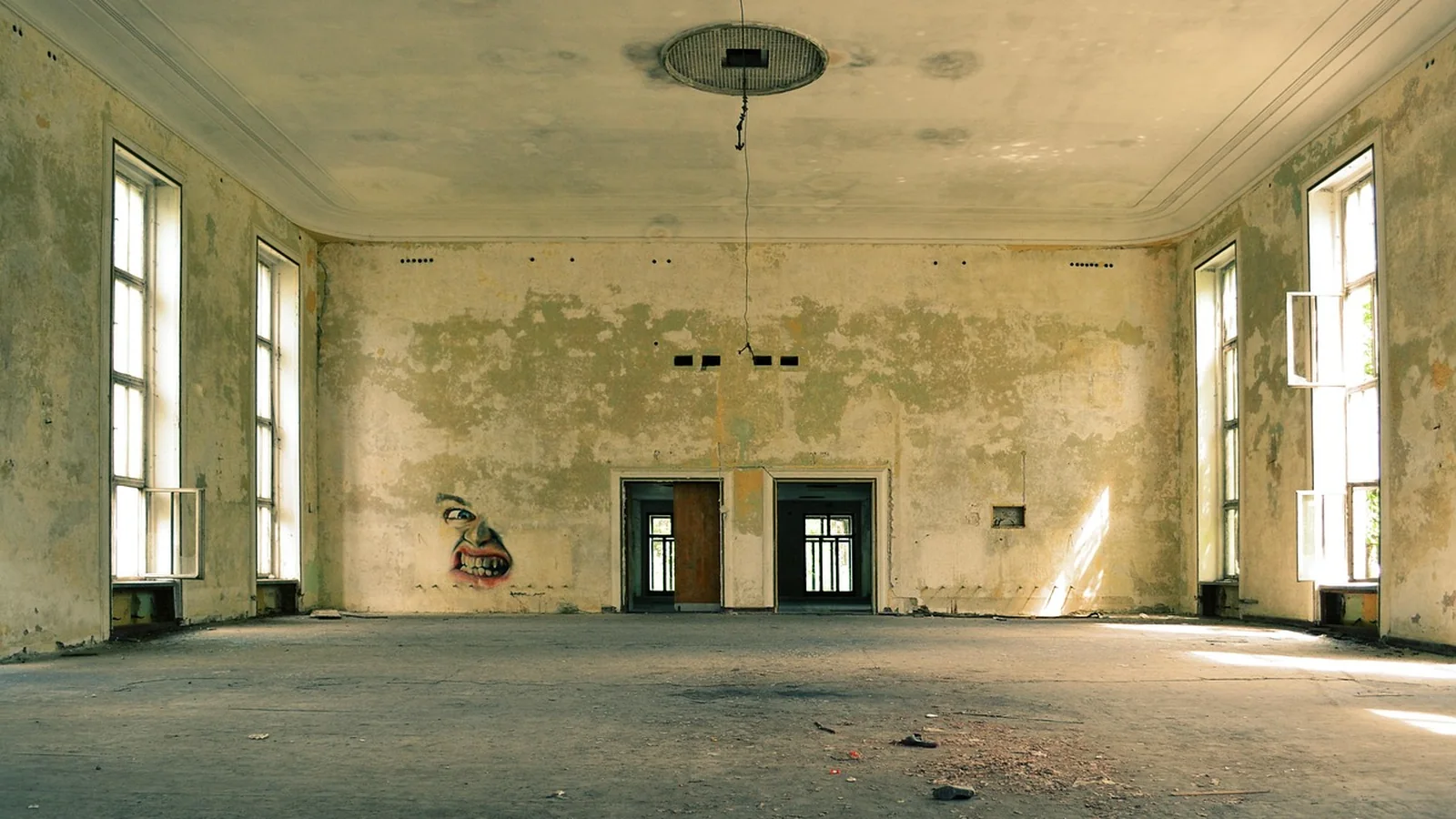
The same paint can look different on two walls of the same flat. Natural light changes how a colour is perceived far more than the colour itself.
Choosing from a colour chart is not choosing.
A north-facing room receives cool light: warm tones bring warmth, greys drift blue. South-facing rooms get intense, warm light: yellows brighten, off-whites hold up better. Test on site, on a large sample, at different times of day.
Three exposures, three approaches
North: warm without saturating. South: temper without going flat. East and west: expect change between morning and evening.
- Paint a sample of at least one square metre.
- Check morning, midday and evening.
- Judge under the light you actually use.
White is not a neutral
A cool white hardens north rooms; a warm white yellows in the south. Primer and finish also change the result.
Frequently asked
Can I use one colour everywhere?
Yes, but it will not read the same in rooms with different exposure.
Should ceilings be pure white?
Often, but an off-white softens very bright rooms.
Testing on site, not on screen
A colour approved on a screen has not been tested. Screens vary, and daylight changes through the day. A painted sample is the only reliable check.
- Sample at least one square metre.
- Two coats, as on the finished wall.
- Observe with furniture in place.
How many samples?
Two or three per room are enough to compare, more becomes confusing.
To validate a palette, ask for colour advice.